

Costa Smeralda and La Maddalena Archipelago
Boat days around Spargi and Budelli, where the water turns a milky turquoise over white sand shelves.
Photo by Arno Senoner on Unsplash
Sardinia smells like juniper smoke and salt. Seven days here means slow lunches under fig trees, granite coves the color of swimming pool tile, and shepherds' roads that end at empty beaches.
Junto AI builds your full itinerary around your dates, your group and the way you like to travel.
Boat days around Spargi and Budelli, where the water turns a milky turquoise over white sand shelves.
Photo by Arno Senoner on Unsplash

Hike or take a gozzo from Cala Gonone to limestone coves like Cala Mariolu and Cala Luna.
Photo by Jürgen Scheeff on Unsplash

Long meals of suckling pig, pane carasau, and Cannonau wine at family farms near Oliena and Mamoiada.
Photo by Christopher Politano on Unsplash

Catalan-tinged seafood lunches on Bastioni Marco Polo, then the 656 steps down to Neptune's Grotto.

Pastel houses along the Temo River, Malvasia tastings, and the empty SP49 cliff road toward Alghero.
Photo by Zoshua Colah on Unsplash

The Bronze Age stone tower at Barumini, plus the wild horses of the Giara di Gesturi plateau nearby.
Photo by Mr. Great Heart on Unsplash
Sardinia is not a quick island. It is bigger than you expect, with two coasts, a granite spine, and interior villages where Italian sounds like a second language. Seven days gives you enough room to pick a base or two without spending the trip in the car. Most travelers split between the north (Olbia, Alghero, the Costa Smeralda) and the wilder east coast around the Golfo di Orosei. A balanced week looks like three nights up north, three nights east or south, and a buffer day for the beach you cannot leave.
Start with water. The La Maddalena archipelago is best seen by skippered gozzo from Palau or Cannigione; bring lunch and stop at Cala Corsara. Down the east coast, Cala Goloritzé requires a 90-minute hike from the Altopiano del Golgo, and the limestone arch at the end is worth every switchback. If you prefer pulling up to a beach by car, Chia and Tuerredda in the south have shallow water and a few good kiosks for fried calamari and vermentino.
Inland is where Sardinia gets strange and excellent. Drive into the Barbagia mountains for lunch at an agriturismo near Oliena: porceddu roasted over myrtle wood, sheep's milk ricotta, seadas drizzled with bitter honey. Mamoiada has the Museo delle Maschere if you want context on the island's pre-Christian carnival traditions. Closer to Cagliari, the nuraghe at Barumini is the best-preserved Bronze Age site in the Mediterranean.
May, June, and September are the sweet spots; July and August get crowded and pricey. Mid-range here means small hotels in Alghero's old town, a stazzo (converted shepherd's cottage) in Gallura, or family-run B&Bs in Cala Gonone, generally 120 to 200 euros a night. Rent a car at the airport. The roads are good, the signage is honest, and the best meals are always thirty minutes from the coast.
From the first idea to settling up at the end, Junto handles the planning so you don't have to be the group's travel agent.
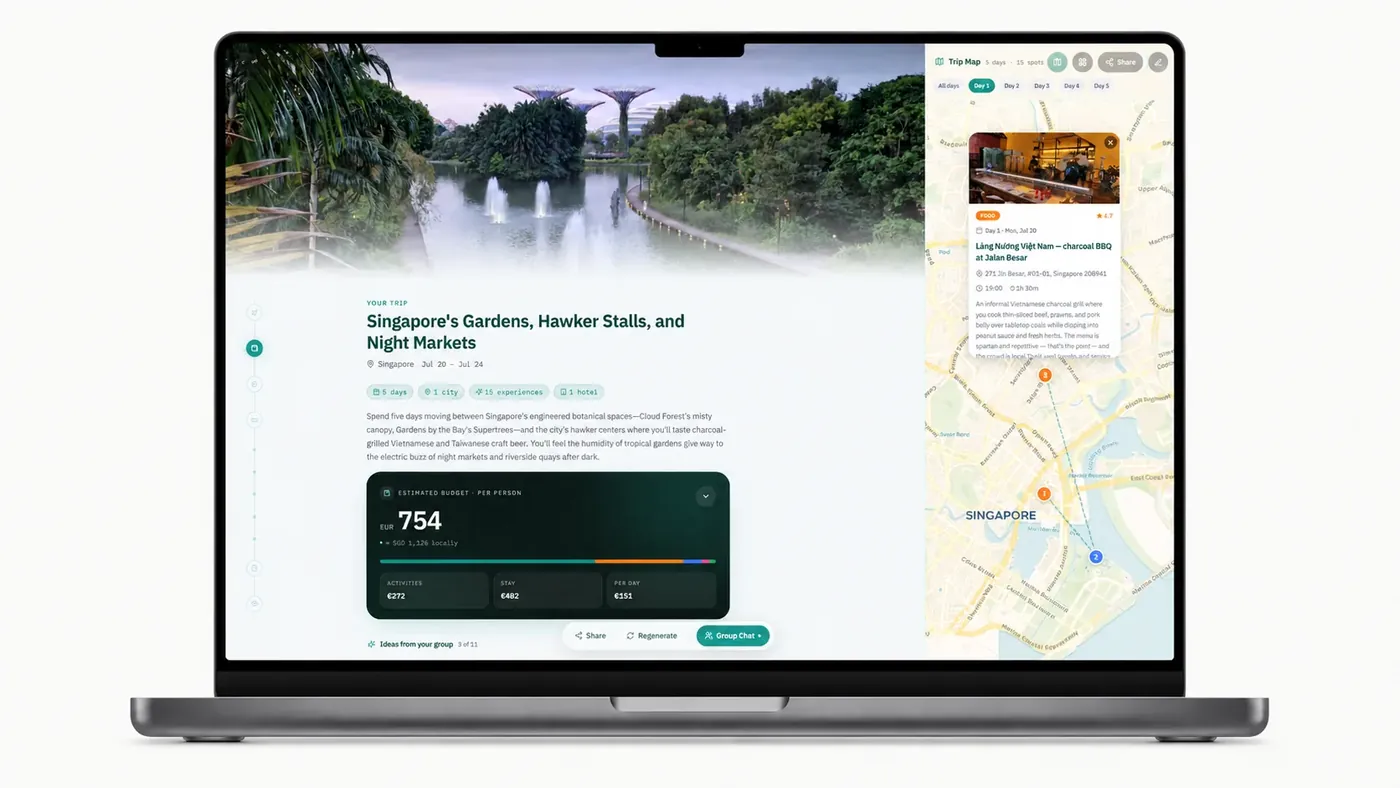
Junto AI maps every day to your pace, dates and the people you're with, with venues, timings and a real route you can actually follow.
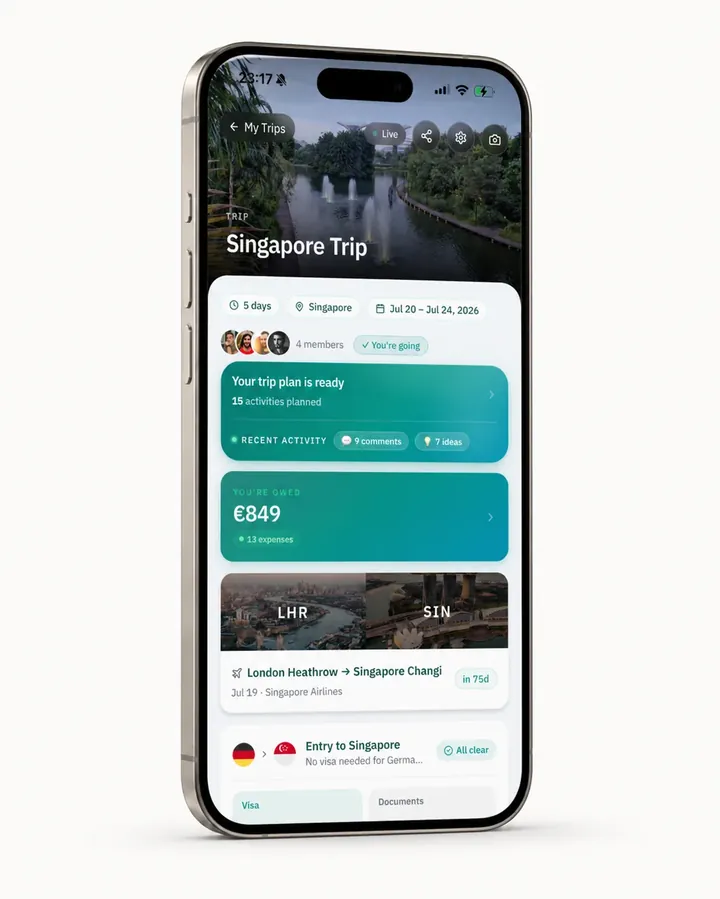
Dates, crew, flights, expenses and entry requirements all in one dashboard, so nothing falls through the cracks.
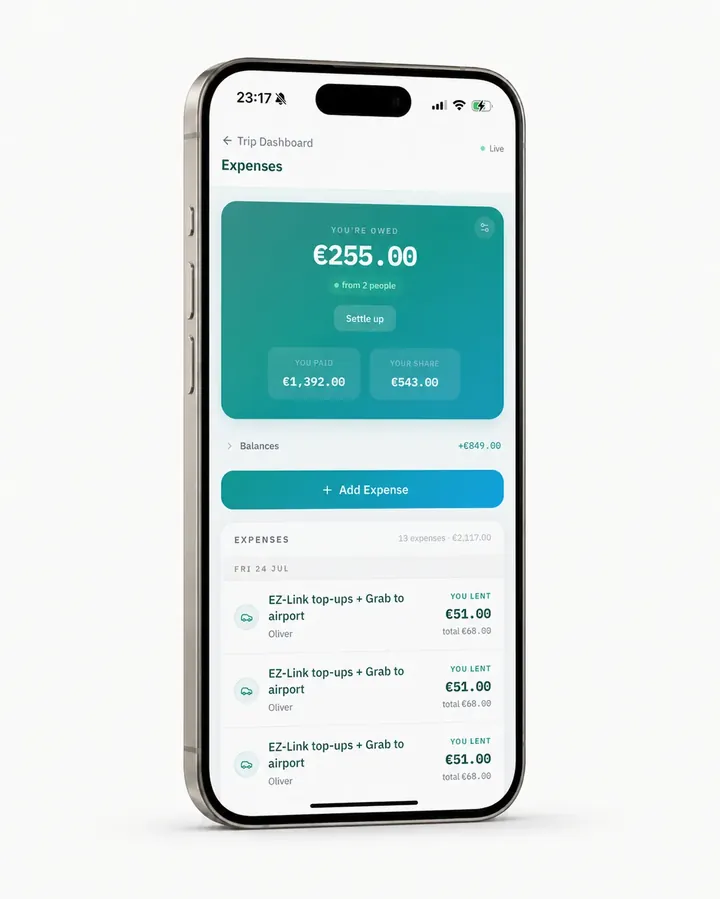
Track every shared expense and let Junto figure out who owes what. No spreadsheets, no awkward Venmos.
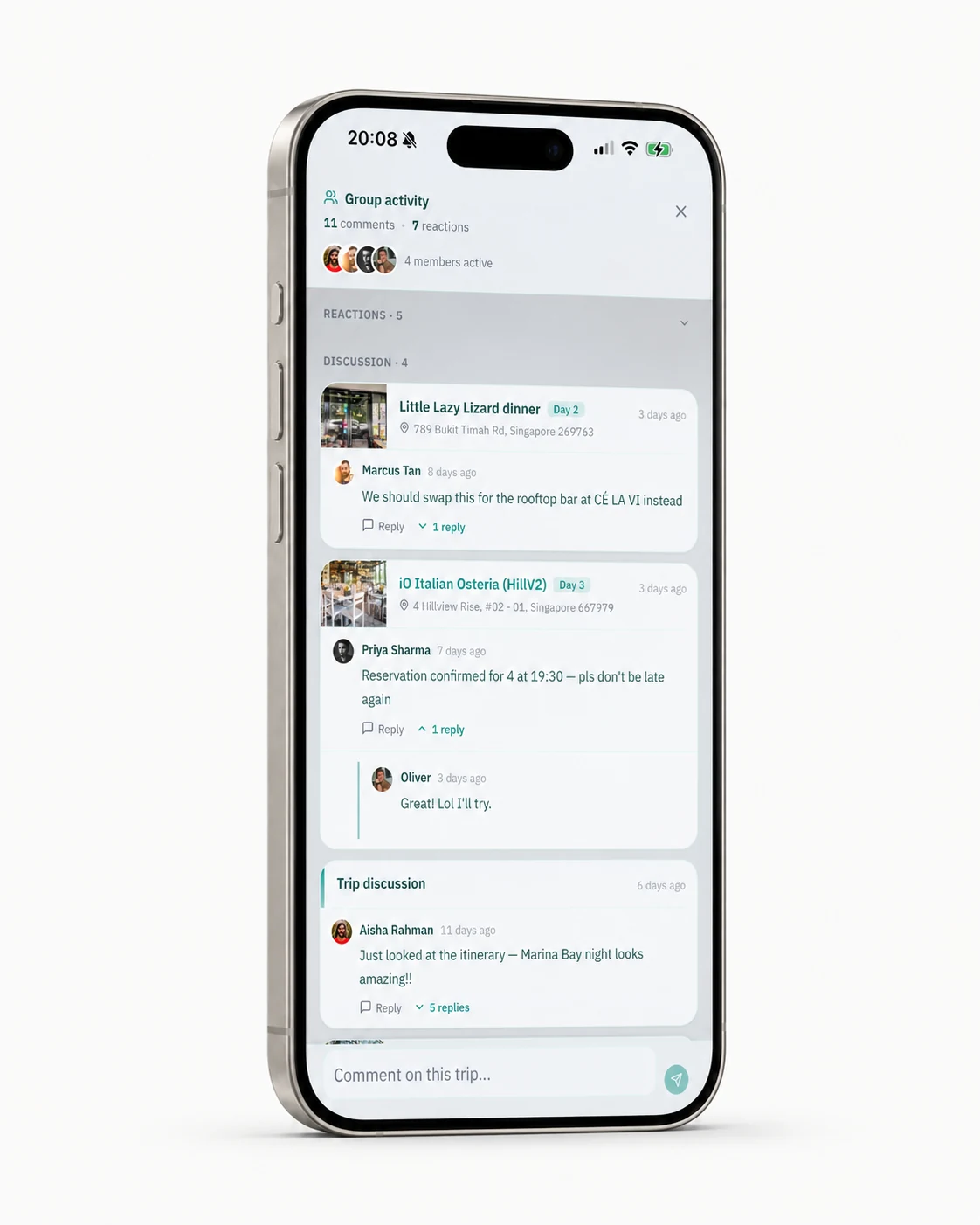
Comments, reactions and decisions sit on the actual itinerary item: venue, day, address. No parallel group chat that drifts away from the plan.
Everything you need to plan, book and remember the trip, in one place.